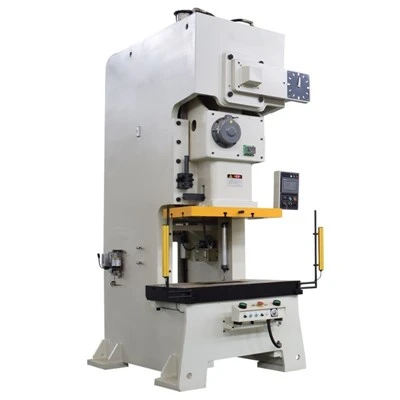
Core Selling Points
■ High precision liner centering accuracy ±0.2mm
■ Production speed up to 350 caps per minute
■ Compatible with PVC, EPE, foam, pulp, rubber liners
■ Various liner application methods: press-fit, adhesive, heat seal
■ Automatic liner punching from sheet or pre-cut liners
■ Consistent bonding strength across production run
■ Missing liner detection and rejection system
■ Quick changeover for different cap and liner sizes
Technical Specifications
|
Parameter |
Specification |
|
Model No. |
KP-LI-350 |
|
Production Speed |
150–350 pieces/min |
|
Cap Diameter Range |
Ø20 – 100 mm |
|
Liner Centering Accuracy |
±0.2 mm |
|
Liner Material |
PVC, EPE, Foam, Pulp, Rubber |
|
Bonding Method |
Press-fit / Adhesive / Heat seal |
|
Power Rating |
5 kW |
|
Overall Dimension |
1800 × 1200 × 1800 mm |
|
Total Weight |
Approx. 2200 kg |
|
Detection System |
Photoelectric missing liner check |
|
Control System |
PLC Control |
|
Certification |
CE |
|
Warranty |
2 Years |
Production / Working Process
Step 1: Cap Feeding – Caps oriented and fed into nests
Step 2: Liner Preparation – Liner material punched or pre-cut liners loaded
Step 3: Liner Pickup – Vacuum head picks up individual liner
Step 4: Positioning – Liner aligned precisely over cap opening
Step 5: Insertion – Liner placed into cap top interior
Step 6: Bonding – Pressure / adhesive / heat activates bonding
Step 7: Verification – Sensor confirms liner presence and position
Step 8: Rejection – Defective caps automatically rejected
Step 9: Output – Finished lined caps discharged

Application Scenarios
• Beverage cap EPE/PVC liner insertion
• Food jar cap plastisol liner application
• Pharmaceutical cap rubber liner bonding
• Chemical cap foam gasket insertion
• Tamper-evident cap liner assembly
Case Study
■ Customer Background
A pharmaceutical bottle manufacturer needing to upgrade their liner insertion process for medicine bottle caps. They required 100% liner presence verification and precise placement for regulatory compliance.
■ Project Challenge
• Zero missing liners allowed per pharmaceutical GMP standards
• Liner placement must be centered within ±0.3mm
• Must handle both EPE foam and rubber liner types
• Required full validation documentation for regulatory audit
■ Our Solution
• Installed KP-LI-350 liner inserting machine with dual detection
• Equipped both photoelectric and vision-based liner verification
• Configured quick-change tooling for EPE and rubber liners
• Provided complete validation package including IQ/OQ/PQ documents
■ Result & Benefits
• Zero missing liners detected in 3-month production audit
• Liner centering accuracy maintained at ±0.15mm
• Passed pharmaceutical GMP inspection on first audit
• Full validation documentation accepted by regulatory authority
Frequently Asked Questions (FAQ)
Q: What types of liners can this machine handle?
A: The machine works with most common cap liners: EPE foam, PVC, plastisol, pulp, rubber, cork and composite liners.
Q: How does the machine handle different liner thicknesses?
A: Insertion depth and pressure are adjustable to accommodate different liner thicknesses.
Q: Can it detect missing or misaligned liners?
A: Yes, standard configuration includes photoelectric sensors that detect missing liners and automatically reject defective caps.
Q: What is the difference between press-fit and adhesive liner?
A: Press-fit liners are held by friction. Adhesive liners are bonded with glue or heat-activated compound for stronger attachment.
Q: Can we use our existing liner supplier materials?
A: Yes, the machine works with standard liner materials from any supplier.
Q: How do I change over to different cap size?
A: Size changeover involves replacing cap nest, liner punch and adjusting insertion parameters. Typical changeover time is 30–60 minutes.
Hot Tags: cap liner inserting machine, China cap liner inserting machine manufacturers, factory